What Should You Do About Mice Scratching in Bedroom Walls?
Scratching inside a bedroom wall at night can point to mice, but repeated sounds deserve a closer look before you seal openings or put out bait. If you hear it on more than one night, note the room, time, and any droppings or gnaw marks you can see safely. One sound alone is not proof.
A caller saying “Because we are getting ate up” may be describing bites or other pest concerns alongside the noise; separate those symptoms rather than assuming mice caused them. Another may simply say, “I have a mouse problem that I need help with,” which is a good reason to request an inspection instead of guessing at treatment.
We can check affected areas and explain what the evidence supports. If you are near the Wilmington Riverfront, contact Delaware Pest Solutions to arrange an inspection and discuss a practical next step.
When Does Bedroom-Wall Scratching Need a Pro?
A mouse moving through a wall can make light, quick scratching, often after the house gets quiet. Repeated sounds, droppings near the bedroom, or gnawing around a pipe opening make professional identification more useful than guessing from noise alone. Do not cut into drywall just to look; wiring and plumbing may be behind it, and a small access hole may not reveal where the animal is traveling.
In Wilmington, rowhomes and adjoining walls can make it hard to tell which room or unit is the source. We check the bedroom and nearby routes for evidence, then explain whether the activity appears localized or connected to a broader access point. A report of activity near the Wilmington Amtrak Station is still assessed at the property itself; a landmark does not determine what is inside a wall.
Should You Try DIY or Call for Mouse Control?
If you hear one brief noise and find no other signs, keep a dated log and inspect accessible areas without opening walls. That is a reasonable first check. If scratching repeats, droppings appear, or the sound shifts between rooms, call a pro to identify the pest and likely route before choosing a control method.
A common misstep is putting bait wherever the noise seems loudest. Sound can travel through framing, so that spot may not be an entry point or feeding area.
We inspect accessible spaces and look for signs that support placement decisions. For broader guidance, read our Wilmington guide to mice scratching inside bedroom walls, then use the evidence at your home to decide whether an inspection is needed.
How Does Targeted Treatment Address Wall Activity?
Targeted applications, including a crack-and-crevice treatment when appropriate, focus on suitable locations rather than coating an entire room. The method follows the evidence, site conditions, and product directions; it does not mean spraying blindly into a wall cavity. Ask what location is being treated and why, and follow the product label for any required precautions.
This distinction matters in Wilmington, DE, where a bedroom wall may border a shared space or conceal utilities. We explain the affected areas and the reason for the proposed treatment before work begins. If the inspection points to an opening that allows mice to enter, treatment alone may not resolve the route; the plan should also address access where feasible.
What Does Nearby Pest Activity Change?
A mouse report calls for mouse identification, not an automatic response to every pest that can occur in a home. For example, pantry moth treatment for a kitchen in Wilmington, Delaware addresses a different pest and a different source than scratching in a bedroom wall. Summer heat can accelerate stored-product pest development, so moth activity around stored food may need its own inspection and plan.
We keep those findings distinct. Near the Delaware Art Museum, just as elsewhere in the city, a pantry pest clue does not confirm that mice are in a wall. We inspect the reported room and nearby evidence, then explain which condition each recommendation addresses. That keeps the work tied to what we actually find.
Which Mouse-Control Option Fits Wall Scratching?
The right option depends on whether you need evidence first, a focused treatment, or a broader assessment of the property.
| Option | Best for | Key detail |
|---|---|---|
| Pest inspection | Unconfirmed scratching or unclear source | Written findings and treatment recommendations help you decide what to do next. |
| Room-by-room service | Activity limited to a bedroom or nearby area | Service can be scoped room-by-room or across the whole property. |
| Crack-and-crevice application | Confirmed activity at a suitable gap | A targeted application treats an appropriate, identified location rather than an entire room. |
| Rodent bait station | A placement site supported by inspection | Tamper-resistant placement should be discussed for the specific property and access conditions. |
For homes near Delaware Route 1, the road itself does not establish the presence of mice; inspection findings do. If activity persists, ask whether follow-up monitoring or exclusion work is the next useful step.
How Do You Prepare for a Mouse Inspection?
If scratching keeps waking someone in a Wilmington bedroom, record when it happens and where it sounds loudest. Avoid opening the wall or moving suspected bait. A clear account helps us focus the inspection.
-
Record the signs: Note dates, times, rooms, and any visible droppings or gnaw marks.
-
Secure pets: Keep pets away from the interior treatment area before service begins.
-
Clear access: Move items that block the reported wall and nearby accessible inspection areas.
-
Provide access: If available, arrange access to the attic, basement, or crawlspace so relevant routes can be checked.
-
Ask about follow-up: Schedule follow-up for monitoring or retreatment if activity continues after the initial visit.
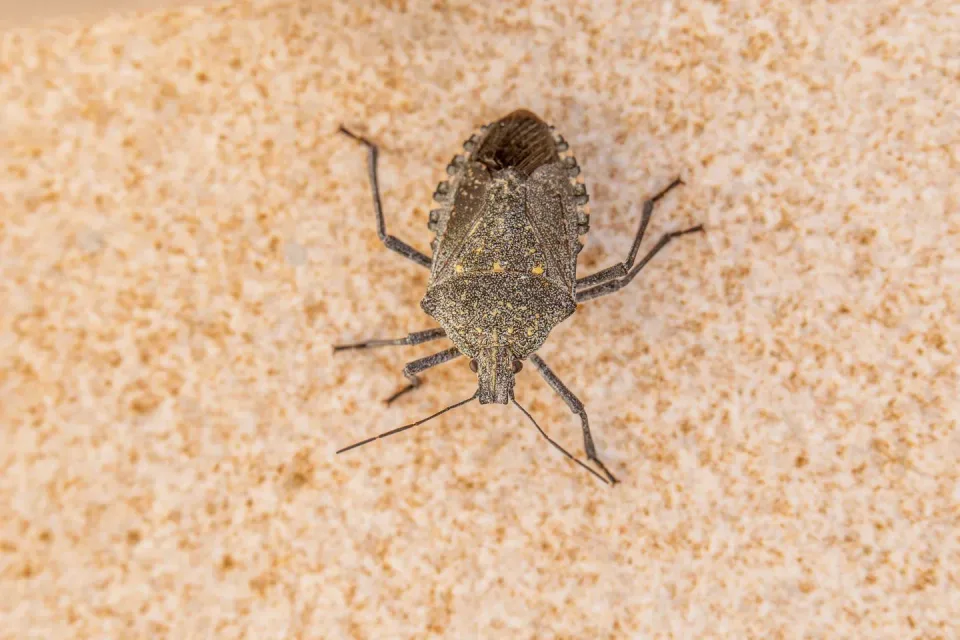
Stink bugs also seek sheltered wall voids in autumn, so a fall insect in a room does not by itself confirm mice. Around Downtown Newark or elsewhere, ask us what evidence supports the identification and what the next visit would check. If activity continues, request a follow-up plan.
Get a Clear Plan for Bedroom-Wall Scratching
Repeated scratching, droppings, or gnaw marks are good reasons to have the affected area inspected rather than treating the wall by guesswork. Atlantic hurricanes can bring wind-driven rain and flooding, so after a storm, also note water entry or disturbed exterior openings that may affect an inspection. A property near the Bethany Beach Boardwalk or Delaware Seashore State Park still needs a site-specific assessment; those coastal landmarks are not evidence of mouse activity.
We identify what we find, explain treatment options, and discuss any access concerns before work begins. If scratching is returning or you need a clear assessment, contact Delaware Pest Solutions at (877) 729-2528 to arrange a visit. See our rodent control service for the next step.