What Should You Check After Bed Bug Bites?
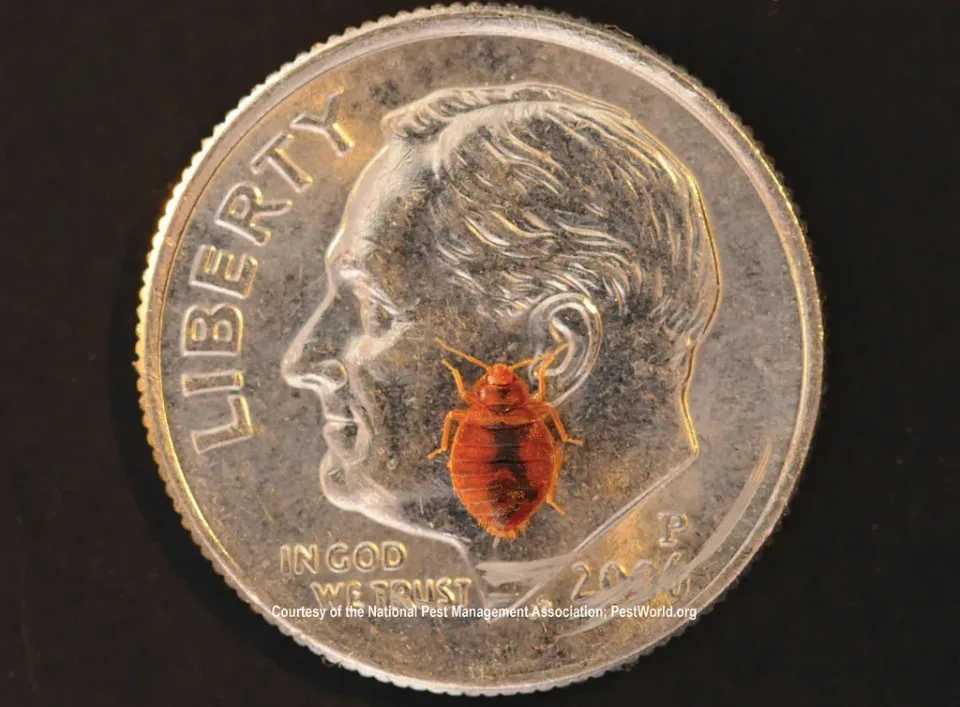
Bed bug bites after sleeping can leave you worried, but bites alone do not confirm an infestation. Check mattress seams, bed-frame joints, and nearby furniture for live insects, shed skins, or dark spotting before deciding what to do.
Keep the evidence intact. A photo and the room where bites appeared can help an inspector narrow the search; Brandywine Creek State Park is one familiar Delaware reference point for local residents, but the useful evidence is inside the home.
If you own an apartment and suspect bed bugs, ask for an inspection and a written estimate that explains the proposed method and scope. Mosquito activity also rises after warm-season rainfall, so an itchy mark alone may have another cause. We can inspect and explain what we find.
What evidence should you check beside the bed?
If you wake with itchy marks, inspect the sleeping area before moving bedding or furniture. Look closely at mattress piping, tags, box-spring seams, headboard joints, and cracks where the bed frame meets the floor.
Small dark spots, pale shed skins, eggs, or a live insect provide stronger evidence than bites alone. Take clear photos and note which room and sleeping surface were involved.
Avoid carrying an unsealed mattress or blankets through the home; that can spread insects to another room. Put suspected items in sealed bags until you receive instructions.
At a Delaware home near Bethany Beach Boardwalk, for example, an inspection still needs to focus on the property’s actual sleeping areas rather than assuming a bite source from the surrounding area. Atlantic hurricanes can bring wind-driven rain and flooding, but that weather does not identify bed bugs; keep the investigation focused on physical evidence.
Can bites alone confirm bed bugs?
No. Bite marks vary from person to person, and other insects or skin irritation can look similar, so a treatment decision should follow pest identification rather than appearance alone. We check likely harborage areas and the rooms where people sleep, then explain whether the evidence supports bed bug treatment or further monitoring.
A step people often skip is checking more than the mattress. Inspect the bed frame, headboard, nearby upholstered furniture, and items stored beside the bed.
Do not spray household insecticide across bedding as a test; an incorrect product or application can create exposure without resolving the source. Written inspection and treatment records are useful because they capture where activity was found, what work was proposed, and what follow-up should assess. Delaware Pest Solutions explains findings and treatment scope before recommending a plan.
When should you DIY or call a professional?
If you find one suspicious mark but no insect or other sign, document it and inspect the room carefully before applying anything. If you find a live bed bug, repeated signs, or suspected activity in multiple rooms, stop moving belongings between rooms and arrange a professional inspection. Apartment owners should also consider adjacent units and shared areas when planning the inspection; treating one room without checking the extent of activity can miss the source.
Our crew records the affected rooms and evidence, then discusses suitable treatment options. Ask what preparation is needed, which areas will be treated, and what follow-up is planned.
Treatment methods and warranty terms should be compared in writing rather than assumed to be equivalent. Yard mosquito treatment is a separate service for outdoor mosquito activity; it is not a substitute for investigating bed bugs indoors.
What should a treatment plan explain?
A useful plan identifies the pest, rooms involved, treatment method, preparation steps, and any follow-up inspection. Ask for the treatment record and a clear description of what the work covers. If you are comparing termite treatment methods and warranties for a different concern, request those terms separately; they do not establish what a bed bug treatment includes.
For a property near the Delaware State Capitol or elsewhere in the state, the same practical rule applies: base the recommendation on inspection findings, not a generic package. Read the written scope before preparing, and ask which items need bagging or laundering and when treated rooms can be used again. For service details, see our Bed Bug Treatment page or explore the Delaware Pest Solutions Blog for related pest guidance.
Which Bed Bug Treatment Option Fits the Evidence?
If bites appear after sleep but you have not found an insect, start with inspection and identification; choose treatment only after the evidence and affected rooms are clear.
| Option | Best for | Key detail |
|---|---|---|
| Pest inspection and identification | Unconfirmed bites or suspected activity | Confirms the pest and rooms before treatment is chosen. |
| Room-by-room professional treatment | Evidence concentrated in identified sleeping areas | Ask which rooms and items are included in the written scope. |
| Whole-property inspection | Reports of activity in more than one room or unit | Checks whether the problem extends beyond one bed. |
| DIY products | Limited initial inspection when no activity is confirmed | Homeowner application may miss hidden insects; avoid treating without identifying the pest. |
A crack-and-crevice approach is a targeted indoor application, not a blanket spray across every surface. Coastal areas experience salt air and higher humidity, but those conditions do not replace pest identification.
If traveling on Delaware Route 1 or visiting Cape Henlopen State Park, remember that tick treatment addresses a different pest and is not a bed bug remedy. Ask for the exact target pest, treatment area, and follow-up plan.
How Do You Prepare for a Bed Bug Inspection?
Keep the suspected room as undisturbed as practical before the appointment. Mention the rooms and sleeping surfaces involved; that detail helps focus the inspection.
For homes near Dover Green, the same preparation steps apply as elsewhere in Delaware. Fall cooling drives rodents indoors for shelter, but that seasonal change is not evidence of bed bugs and should not distract from the signs in the sleeping area.
-
Record the signs: Photograph suspected insects, spotting, or shed skins and note the room where each was found.
-
Limit movement: Keep bedding and belongings from the affected room rather than carrying them loose through the home.
-
Clear inspection access: Make mattress seams, bed-frame joints, and nearby furniture reachable without discarding items first.
-
Ask about preparation: Confirm which belongings need bagging or laundering and what should remain in place for inspection.
-
Review the plan: Before treatment, ask what rooms are included and how follow-up or retreatment will be assessed.
If activity continues, share your notes and photos at the follow-up.
A Careful Inspection Makes the Next Step Clear
Bites after sleep deserve a careful check, not an automatic spray. Look for physical signs, record the rooms involved, and ask for a written treatment scope before preparing the home.
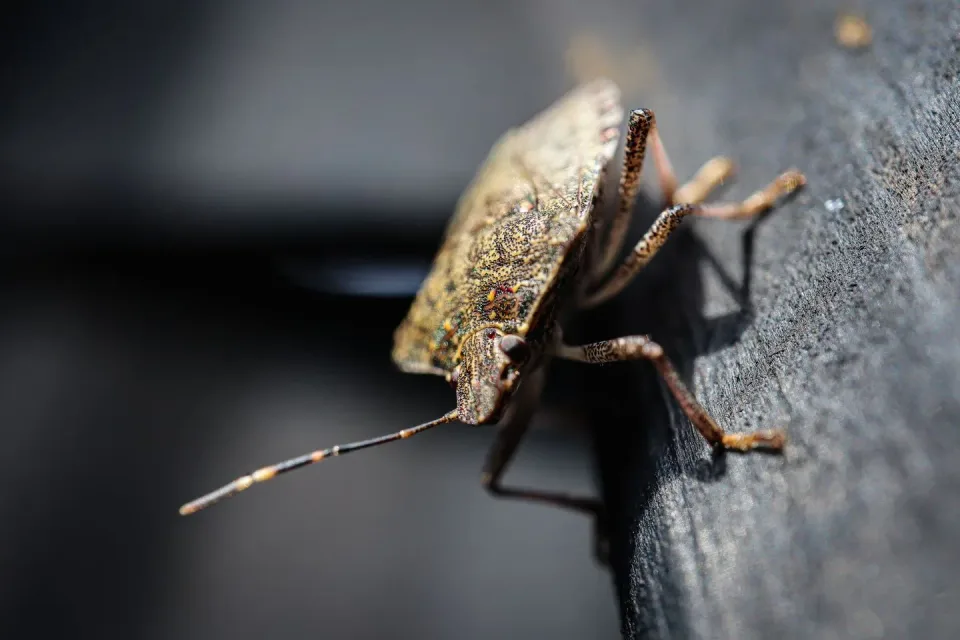
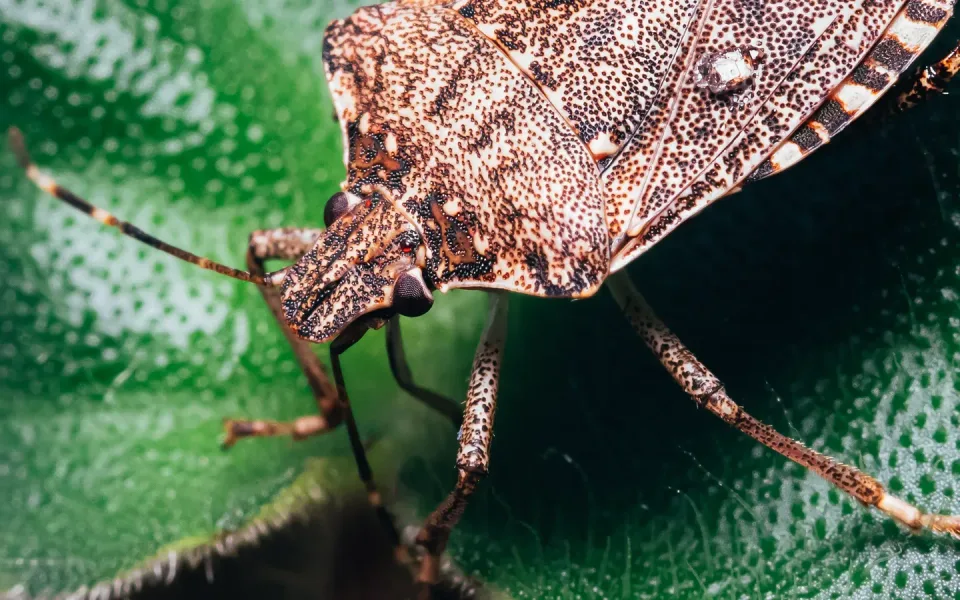
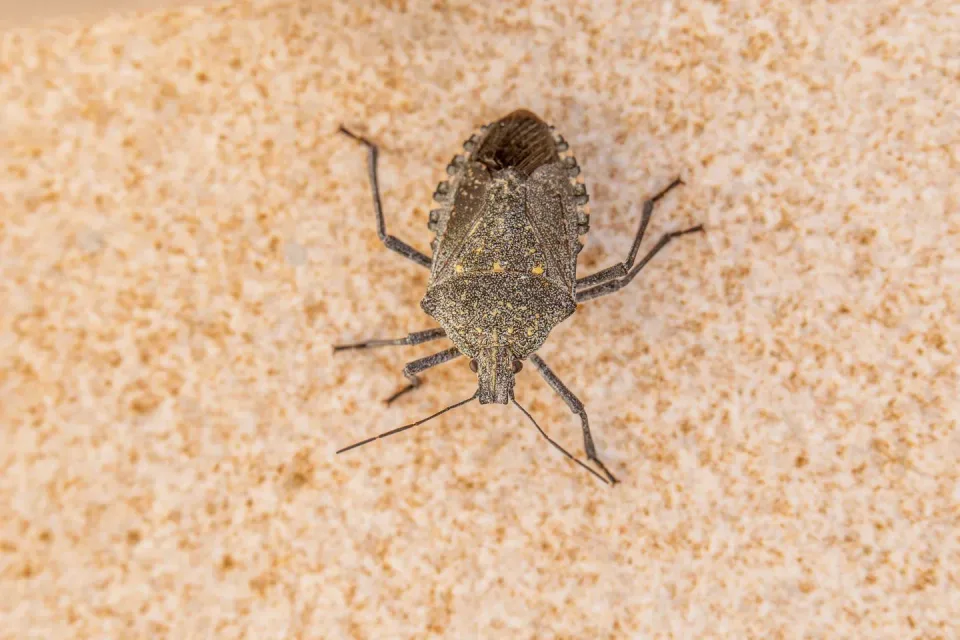
Stink bugs seek sheltered wall voids in autumn, but they are a different pest; identifying what is actually present matters. Residents near Downtown Newark or Fenwick Island State Park can use the same evidence-first approach.
Our crew explains inspection findings and treatment options without asking you to guess at the cause. If you have found insects or repeated signs, contact Delaware Pest Solutions to discuss an inspection and next steps for Bed Bug Treatment.