Why Are Ants Crossing Delaware Kitchen Counters?
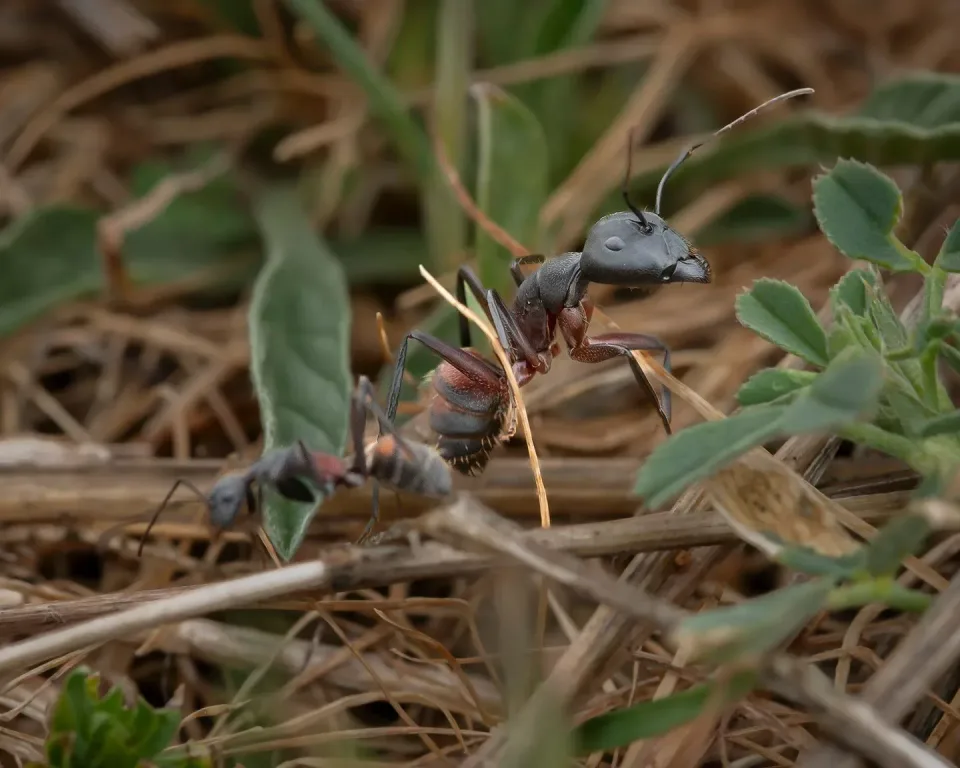
Ants trail across kitchen counters because they have found food or water and are following a scent-marked route. Wiping the visible line helps, but it may not stop ants returning from a hidden entry point or colony. We hear from homeowners who hoped someone could come out because ants had reached the kitchen; that usually means the problem has become hard to ignore during meal prep.
Acting early can also help you nip it in the bud before trails spread to other rooms. Near Delaware Seashore State Park, households still need to check indoor crumbs, sticky residue, and moisture rather than assume the coast alone explains the activity. Our inspection starts with the trail and nearby access points.
What draws ants to kitchen counters?
A counter trail usually points to a dependable food or water source. A drop of juice, grease around a stove, an open snack package, or a damp spot under the sink can keep foragers coming back.
Follow the line in both directions: ants may enter at a window frame, pipe opening, cabinet seam, or crack beside a door. Clean the surface, then watch where the next ants appear. That reveals more than spraying the visible insects.
Coastal areas experience salt air and higher humidity, which can make moisture checks around windows and sinks especially useful. Near Fort Delaware State Park, as elsewhere in Delaware, a damp cabinet corner or leaky fitting can be part of the conditions sustaining activity. Delaware Route 1 connects communities across the state, but the clues that matter most are inside the kitchen: food access, water, and a route into the room.
Do returning trails mean the colony remains?
Often, yes: killing the ants you can see does not establish that the source is gone. Ant colonies may contain one or multiple queens, so a trail can persist if the nest or an alternate part of the colony remains active. A common mistake is applying a contact spray along the route before identifying the ants and their entry point; that can scatter visible activity without resolving the underlying source.
We inspect the trail, likely harborage areas, and accessible entry points before recommending a treatment. Around the University of Delaware, apartments and shared buildings can add another wrinkle: ants may travel through gaps around plumbing or between connected spaces, so the visible kitchen line may not show where they first entered. The treatment plan should fit the evidence at the property, not just the counter where you noticed them.
When should you try DIY, and when call a pro?
For a short-lived trail with an obvious food spill, clean the surface, seal food, dry the sink area, and monitor for renewed activity. Give that simple correction a chance. If ants return repeatedly, appear in more than one room, or seem to emerge from a wall or cabinet void, ask for a professional inspection rather than layering household products over the route.
At Delaware Park, as in homes elsewhere, an accurate pest identification matters because the right response depends on the ant and its activity. Our team looks for entry points and conditions that keep attracting foragers, then explains the findings and treatment options.
The Ant Control service page describes how we approach recurring indoor trails. Keep children and pets away from any treatment area according to the product label, and do not assume a product is suitable for every surface.
What should you expect from an inspection?
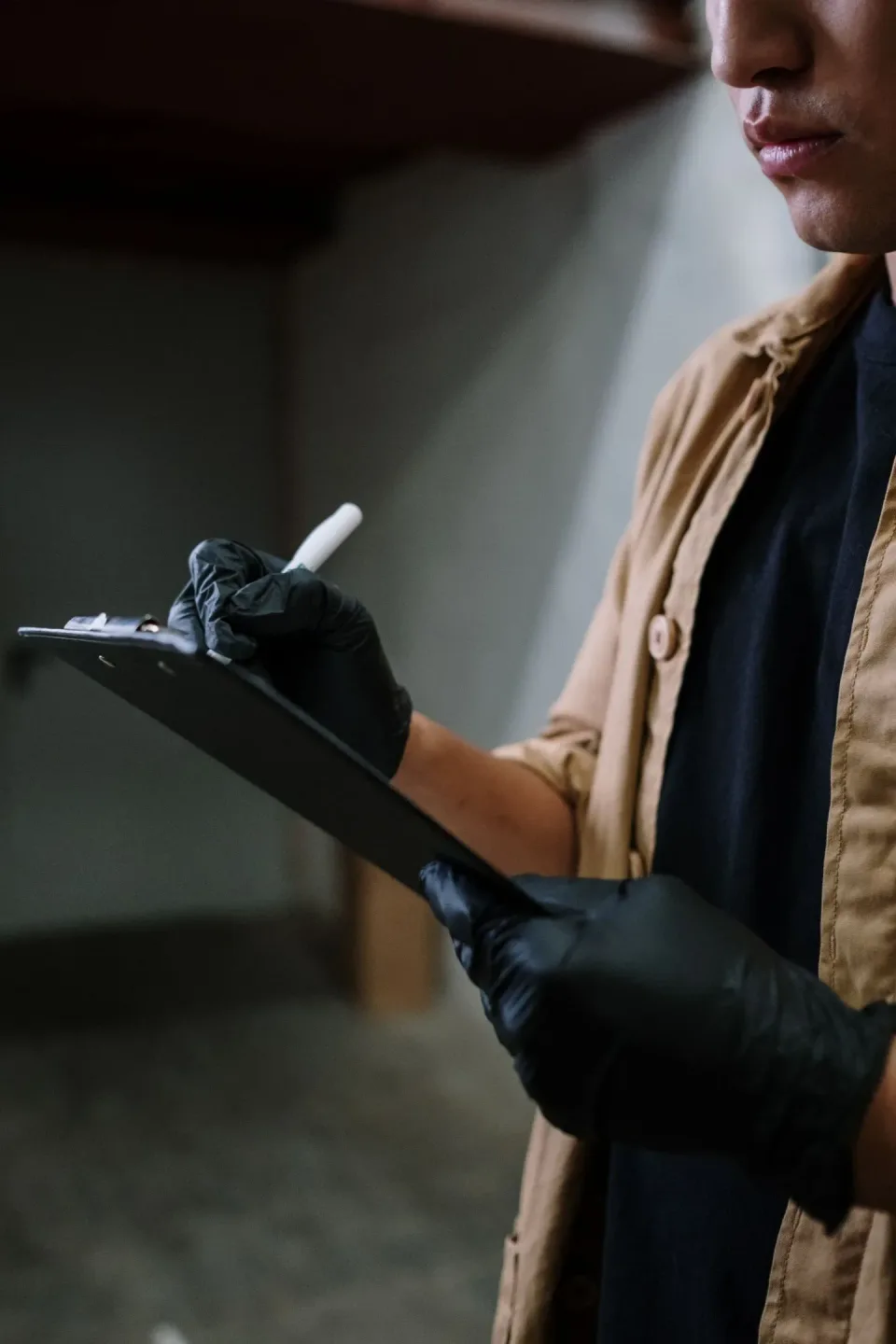
A useful inspection answers three questions: where are ants entering, what is sustaining them, and how far does activity extend? We check around counters, sinks, appliances, windows, and accessible cabinet edges, then note whether the trail leads toward an exterior gap or an interior void. Clear findings make it easier to choose a proportionate next step.
In Wilmington, the Delaware Art Museum is a familiar local landmark; in a home nearby, the practical details remain the same visible trails, food storage, moisture, and openings around the kitchen. We explain what we found before recommending treatment.
For a broader look at the company’s inspection-first approach, read About Us. If activity continues after cleanup, note where and when you see ants; those observations can help guide the follow-up.
Which Ant Trail Treatment Fits Your Kitchen?
The right choice depends on whether you have one brief trail or recurring activity with a suspected hidden entry point. Nor’easters can damage siding and rooflines, so after a storm, include exterior gaps and disturbed trim in your inspection rather than focusing only on the counter.
Near the Delaware Memorial Bridge, wind-exposed properties may also benefit from checking around doors and windows for openings. U.S.
Route 13 serves many Delaware communities, but the treatment decision comes down to the evidence at your home.
| Option | Best for | Key detail |
|---|---|---|
| One-time treatment | A current, identified ant issue | Scope follows colony access and activity |
| Recurring residential service | Repeated pest activity | Ongoing prevention and monitoring |
| Interior treatment | Ants appearing inside | Can target room-by-room or whole property |
| Exterior perimeter treatment | Suspected outside entry | Focuses on entry points around the structure |
Start by recording where the trail appears and whether it returns after cleaning.
How Do You Prepare for an Ant Inspection?
You find a fresh line of ants near the sink just before a scheduled visit. Clear the work area, but leave the trail’s location easy to show; it can help the technician trace activity.
At Winterthur Museum, Garden and Library, garden conditions are part of the setting; at home, focus on the evidence indoors. In Delaware’s humid continental climate with coastal moderation, keep an eye on damp areas as well as food sources.
-
Note activity: Record the room, location, and time you see the ants.
-
Store food: Put food and utensils away before any application.
-
Clear access: Make space beneath sinks and around appliances.
-
Secure pets: Keep pets away from interior treatment areas as directed.
-
Ask about re-entry: Follow the specific product-label instructions before using treated areas.
-
Plan follow-up: Ask whether monitoring or another visit is appropriate if activity persists.
Dover Green is a useful local reference, but a technician needs access to your kitchen not a landmark. Ask what areas to clear and what instructions apply to your household.
Ready to Address Ant Trails in Delaware?
A recurring counter trail is a reason to look beyond the ants you can see. Find the entry route, remove food and moisture sources, and get an inspection if activity keeps returning.
Near Bombay Hook National Wildlife Refuge, homeowners know that heavy weather can reshape outdoor conditions; Atlantic hurricanes can bring wind-driven rain and flooding that may expose new ways for pests to enter. Brandywine Creek State Park and Dover International Speedway are familiar Delaware landmarks, but every home needs a property-specific check.
We inspect carefully, explain the evidence, and recommend a direct plan based on what we find. If ants keep crossing your kitchen, contact Delaware Pest Solutions through our Ant Control service to discuss an inspection.